Jamaican Food You Should Try Beyond Jerk Chicken
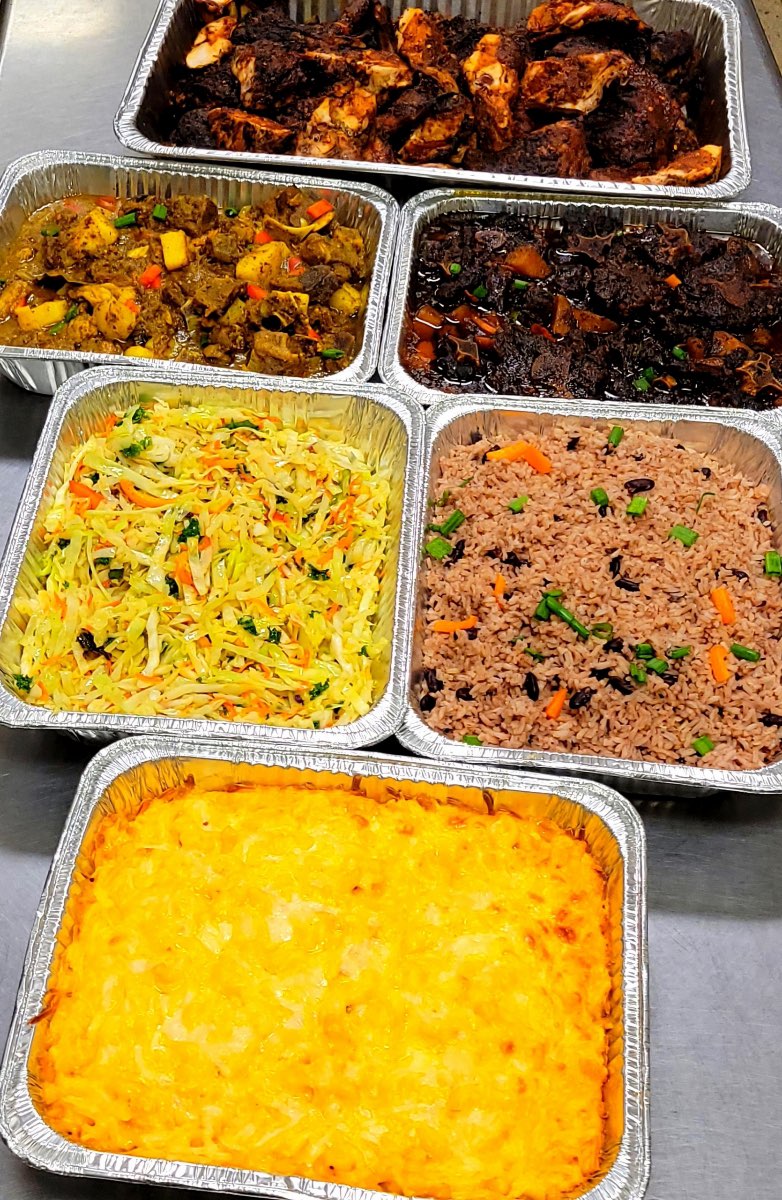

Jerk chicken gets the headlines, and fairly enough. It is smoky, fiery, aromatic, and instantly recognizable. For many people outside the island, it has become shorthand for Jamaican food itself. But that shortcut hides the real depth of the cuisine. Jamaican cooking is broader, older, and more nuanced than one famous grill tradition. It draws from African, Indigenous Taíno, Indian, Chinese, British, and Middle Eastern influences, then folds them into something unmistakably local. The result is food that can be peppery and gentle, rustic and refined, celebratory and deeply practical, all at once.
If you have only ordered jerk chicken at a Jamaican restaurant, you have barely stepped into the room. The food culture of Jamaica lives just as much in soups that take hours to build, in starches that anchor a plate, in breakfast dishes that satisfy until midafternoon, and in sweets that speak to memory as much as appetite. Some of the best meals are not flashy. They are the sort of dishes people argue about at family gatherings, or detour across town to get from one particular cook.
The best way to approach Jamaican food beyond jerk is with curiosity and patience. Some dishes can look humble on the plate and still deliver remarkable complexity. Others are rich in ways that surprise first-time eaters. A few ingredients, especially ackee, call for context because they are tied to local knowledge and proper preparation. Once you move past the assumption that Jamaican cooking is all heat and smoke, a far more interesting picture comes into focus.
Ackee and saltfish, the dish that says morning in Jamaica
If there is one dish that rivals jerk in cultural importance, it is ackee and saltfish. Often described as Jamaica’s national dish, it is a breakfast staple with roots in trade, migration, and adaptation. Ackee came from West Africa. Salt cod arrived through colonial trade networks. Jamaica turned the pair into something distinctive and beloved.
Ackee has a soft, buttery texture that often surprises people. When cooked, it looks a little like scrambled egg, which leads some newcomers to expect an eggy flavor. It is not eggy at all. Good ackee tastes delicate, faintly nutty, and rich without being heavy. Saltfish brings salinity and structure. Onion, tomato, scallion, thyme, and Scotch bonnet build the familiar savory backbone of Jamaican food, though the pepper is often used with restraint here. The dish should feel balanced, not aggressively hot.
There is an important practical note with ackee. Unripe ackee is toxic, which is why proper harvesting and preparation matter. In Jamaica, people know this as ordinary kitchen wisdom. Outside Jamaica, many cooks rely on canned ackee for consistency and safety. That is not a compromise to be ashamed of. In many professional kitchens, canned ackee is the sensible choice, especially where fresh fruit is hard to source and quality control matters.
The classic breakfast pairing is ackee and saltfish with fried dumpling, boiled green banana, yam, or breadfruit. That combination gives you the full logic of the meal. The creamy ackee, the salty fish, and the starches work together. It is not a delicate breakfast. It is a breakfast built to carry a person through a serious day.
Curry goat, patient cooking at its best
Curry goat is one of the dishes that converts people who think they already know what Jamaican food tastes like. The first surprise is that the curry profile is not simply Indian transplanted into the Caribbean. Jamaican curry powder tends to be warmer, often more turmeric-forward, and deeply integrated into local seasoning habits. The second surprise is texture. Proper curry goat should be tender but not mushy, with gravy that clings rather than floods the plate.
This is a dish that rewards time. The meat, usually bone-in goat, benefits from a thorough seasoning and a long, slow cook. In the best versions, the curry tastes toasted and rounded rather than raw. Scotch bonnet, allspice, thyme, garlic, and ginger often play a role, but the exact balance varies house by house. Potatoes may be added, especially in home cooking and catering, where they stretch the sauce and absorb flavor.
Many people first encounter curry goat at Jamaican weddings, funerals, or big family gatherings because it is a celebration dish as much as a restaurant dish. It holds well, feeds a crowd, and tastes even better after the flavors have had time to settle. That is one reason it can be so difficult to judge from a quick lunch counter sample. A freshly assembled curry can taste sharp. A well-rested one tastes complete.
Order it with rice and peas, not because that pairing is obligatory, but because the coconut-scented rice and tender beans soften the spice and soak up the gravy. If a place offers white rice as well, white rice can be the better choice when the curry is especially rich. That is the kind of trade-off experienced diners make without thinking. The goal is balance on the plate.
Brown stew fish and the art of sauce
Brown stew fish does not receive the international attention it deserves. It is one of the clearest examples of how Jamaican cooking handles seasoning with confidence. Typically made with a whole fish, often snapper, the dish starts https://cashwpiz776.rivetgarden.com/posts/an-introduction-to-the-heart-of-jamaican-food by seasoning and lightly frying the fish, then simmering it in a sauce built from onion, tomato, sweet pepper, scallion, thyme, garlic, and browning. The finished dish is savory, slightly sweet, and deeply aromatic.
The use of browning matters. In Jamaican kitchens, browning is more than color. It adds a subtle bittersweet depth that can shape the entire sauce when used correctly. Used carelessly, it can make a dish taste harsh or burnt. Brown stew fish is one of those preparations where judgment shows. You can tell when a cook understands the line between robust and overdone.
Eating whole fish also changes the experience. It slows you down. You navigate bones, cheek meat, crisp skin, and sauce-soaked flesh. That is part of the pleasure. In many restaurants outside Jamaica, cooks adapt the dish for diners who prefer fillets, but the whole fish version is more persuasive. It carries flavor differently and holds up better under the stew.
This is also a useful dish for anyone who thinks Jamaican food begins and ends with spice. Brown stew fish is about seasoning and depth more than heat. A Scotch bonnet may be added to the pot whole, infusing the sauce gently rather than turning it into a challenge.
Oxtail, rich, glossy, and worth the wait
Few dishes on a Jamaican menu inspire as much devotion as oxtail. Few also inspire as much frustration when done poorly. Good oxtail should be lush and sticky, with meat that yields under a fork while still retaining shape. The gravy should be dark, concentrated, and seasoned all the way through. Broad beans, often butter beans, are common in the final pot and bring creaminess that offsets the gelatin-rich sauce.
Oxtail is expensive now, much more so than it was generations ago when it was considered a cheaper cut. That has changed the dish in some restaurants. Portions can be smaller, prices steeper, and shortcuts more tempting. Pressure cookers are common and practical, but they do not excuse thin gravy or underseasoned meat. The best versions still taste patient, whether they were finished in a pressure cooker or braised conventionally.
There is also a texture question here. Some diners want the meat falling apart into the sauce. Others prefer it just shy of that point, where it still has some bite. In my experience, the second version is usually better. It tastes more intentional and less exhausted. Oxtail should feel luxuriant, not collapsed.
Rice and peas is the classic partner again, though mashed potato can make sense in fusion settings. Traditionalists may disagree, but the real issue is not authenticity theater. It is whether the starch can support that gravy. A weak starch pairing wastes one of the great sauces in Jamaican food.
Escovitch fish, where sharpness is the point
If brown stew fish is mellow and rounded, escovitch fish is bright and assertive. A whole fried fish is topped with a hot vinegar dressing packed with carrots, onions, and Scotch bonnet peppers. The vegetables soften slightly but keep some crunch. The dressing cuts through the richness of the fried fish and wakes up the entire plate.
For people unfamiliar with the dish, the acidity can be startling at first. That is intentional. Escovitch is not trying to comfort in the same way a stew does. It is trying to sharpen appetite. On a hot day, or with festival on the side, it makes perfect sense. The vinegar, salt, and chile work together rather than compete.
The quality test is straightforward. The fish should remain crisp under the topping, at least around the edges, and the pickled vegetables should taste lively rather than stale. If the dressing is flat, the dish falls apart. Escovitch depends on contrast. It needs heat, acid, crunch, and clean frying.
Mannish water and the seriousness of soup
Jamaican soups deserve more respect than they usually get abroad. They are not merely starters or light side dishes. Many are substantial enough to be full meals, especially on weekends. Mannish water is one of the most famous, a soup traditionally associated with goat and often served at gatherings. It has a reputation as restorative food, even as an aphrodisiac in popular lore, but whatever claims people make around it, the serious point is flavor.
A good mannish water has body from bones and long simmering. It often includes yam, green banana, dumplings, herbs, and plenty of spice. The broth can be peppery, earthy, and faintly grassy from fresh herbs. It is the kind of dish that reveals the thrift and intelligence behind much Caribbean cooking. Nothing useful is wasted, and the final result is greater than the sum of its parts.
Goat head soup, red peas soup, and chicken foot soup belong in the same conversation. To diners who did not grow up with them, these dishes can seem intimidating on paper. In practice, they are often some of the most satisfying things on the menu. They carry the flavor of stock made properly, not the pale imitation that comes from shortcuts.
Run down, salty, creamy, unforgettable
Run down, sometimes written rundown, is one of Jamaica’s most distinctive fish dishes. It is usually made by cooking salted mackerel in coconut milk with tomato, onion, thyme, and pepper until the liquid reduces and the flavors concentrate. The name points to the technique. The sauce literally cooks down.
The first thing to understand is that this dish is supposed to be intense. Salted fish is assertive. Coconut milk adds richness, but it does not make the dish sweet in a dessert-like sense. Instead, it rounds the edges and turns the sauce silky. When made well, run down tastes coastal and homey, with enough power to carry plain boiled provisions beautifully.
Outside Jamaica, I have seen run down mishandled in two ways. Some cooks fail to soak or rinse the fish properly, leaving the dish too salty to enjoy. Others overcompensate and strip out too much of the fish’s character. The right point lies in between. You want salinity that animates the coconut, not a sodium bomb.
Pepper pot and callaloo, green things with backbone
Not every memorable Jamaican dish is built around meat. Pepper pot soup and callaloo show how greens can anchor a plate with as much authority as any braise. Jamaican callaloo, usually made from amaranth greens rather than the taro leaf version found elsewhere in the Caribbean, is often cooked with onion, garlic, tomato, thyme, and sometimes salted meat or saltfish. Done right, it is silky, vegetal, and deeply savory.
Pepper pot can mean different things across the Caribbean, which is worth noting because travelers sometimes expect one version and get another. In Jamaica, the dish often centers on callaloo and other vegetables, sometimes with crab or pigtail, and a broth seasoned with thyme and Scotch bonnet. It is earthy and nourishing rather than flashy.
These dishes matter because they show another side of Jamaican food, one rooted in garden produce, practical cooking, and an understanding that flavor does not require excess. If all you ever order are the meatiest, heaviest things on the menu, you miss an important part of the cuisine’s intelligence.
Patties are not just snacks
The Jamaican patty is globally popular, but it still gets underestimated. People treat it like a quick bite and overlook the craftsmanship involved. A good patty has a pastry shell that is flaky, tinted golden with turmeric or curry, and sturdy enough to hold the filling without turning leathery. The filling should be moist and well-seasoned, whether beef, chicken, vegetable, or saltfish.
The benchmark remains the spicy beef patty. It should have warmth and savor, plus a little tang from seasoning and browning. But there is range here. Chicken patties can be excellent when the filling is chopped finely enough to distribute evenly. Vegetable patties are often an afterthought in weaker shops, yet in good hands they can be richly seasoned and satisfying rather than dutiful.
Then there is the patty-and-coco-bread pairing, one of the most practical and beloved combinations in Jamaican food culture. The soft, slightly sweet bread buffers the spice and turns a snack into a meal. It is simple food, but not simplistic. Like many great street foods, it is engineered through habit and appetite.
Festival, bammy, and the starches that complete the meal
Jamaican food does not make sense if you ignore the starches. Festival, bammy, fried dumpling, boiled green banana, breadfruit, yam, and rice all do different work on the plate. Festival is lightly sweet, crisp outside, tender within. It is especially good with fried fish because it bridges savory and sweet without turning cloying. Bammy, made from cassava, brings a firmer chew and a faintly earthy flavor that pairs well with seafood.
These sides are not filler. They control texture, absorb sauce, soften spice, and shape the pacing of a meal. A diner unfamiliar with Jamaican food can make a disappointing order simply by choosing the wrong side. Escovitch fish with bammy or festival makes immediate sense. Oxtail with festival, less so. Ackee and saltfish with hard dough bread can work in a rush, but with boiled provisions it becomes a fuller expression of the dish.
When restaurants outside Jamaica reduce side options to generic rice or fries, something important gets lost. The cuisine becomes flatter and more interchangeable. The starches are part of the identity.
Sweet endings and the comfort of familiar baking
Dessert in Jamaican cooking often carries the warmth of a family kitchen rather than the polish of formal pastry. Rum cake, sweet potato pudding, gizzada, grater cake, and toto all deserve attention. Sweet potato pudding, in particular, is one of the great understated desserts of the Caribbean. Dense, warmly spiced, and often enriched with coconut milk, it can be rustic or remarkably elegant depending on the bake.
The phrase many Jamaicans use for the ideal pudding texture is that it should be “hell a top, hell a bottom, hallelujah in the middle.” It is a vivid bit of food language, and it tells you almost everything. The top and bottom should have dark, chewy intensity, while the center stays moist and tender.
Gizzada, a small tart filled with grated coconut and spice, is another classic worth seeking out. It is sweet, yes, but the best versions avoid blunt sugariness. Nutmeg, ginger, and the caramelized note of cooked coconut keep it interesting.
What to order if you are branching out
If you are standing at a Jamaican restaurant menu and want to move beyond jerk chicken without ordering blindly, a little strategy helps. Some dishes travel better than others. Some are ideal for lunch, others shine when you can sit and eat slowly. The right choice also depends on whether the restaurant is strongest at seafood, soups, or braised meats.
Here are sensible places to start:
- Ackee and saltfish, if it is available and especially if the kitchen serves breakfast well
- Curry goat, if you want a classic crowd-pleaser with depth and warmth
- Brown stew fish, if you value sauce and balanced seasoning over sheer heat
- Oxtail, if you do not mind a rich dish and the restaurant has a reputation for it
- Patties, if you want an inexpensive, low-risk introduction to everyday Jamaican flavor
One practical note from experience, especially in mixed menus or casual takeout spots, is that signatures matter. A restaurant may make superb curry goat and mediocre fish, or wonderful soups and average patties. Ask what moves fastest. In busy Jamaican establishments, the answer is often a reliable guide.
The real reward of going beyond jerk
Exploring Jamaican food past jerk chicken is not about rejecting the famous dish. It is about understanding the rest of the table. Jerk is one expression of a larger culinary language, one built on smoke, yes, but also on coconut milk, thyme, allspice, vinegar, salted fish, root vegetables, greens, slow gravies, and practical brilliance. It is a cuisine shaped by movement and hardship, by celebration and economy, by memory and adaptation.
What stands out once you spend time with it is not just flavor, but range. Jamaican food can be brisk and sharp like escovitch, quiet and buttery like ackee, dark and sticky like oxtail, or brothy and restorative like mannish water. It can feed a crowd, stretch an ingredient, comfort after a long week, or command a holiday table. That versatility is part of what makes it so enduring.
The next time you open a menu and see jerk chicken at the top, glance past it for a moment. Look for the dish the regulars are ordering, the one that takes longer to cook, the one that comes with a story. That is often where Jamaican food reveals its real depth.
Reggae Pot Jamaican Grill
7562 S University Blvd C, Centennial, CO 80122
(303) 997-5623
FAQ About jamaican food
What is the best Jamaican food to try in Centennial?
The best choice depends on your preferences. Reggae Pot Jamaican Grill offers jerk chicken, curry goat, oxtail, and escovitch snapper, along with sides such as rice and peas and fried plantains. Ask the restaurant about current availability and spice levels before ordering.
Is Jamaican food very spicy in Centennial?
Heat varies by dish and preparation. Jerk dishes can be hot, while some stews and sides are milder. Tell the restaurant your preferred heat level and ask which options suit you.
What is typically on a Jamaican menu?
Common choices include jerk chicken, curries, oxtail, fish, patties, rice and peas, and plantains. Reggae Pot also lists ackee and saltfish and vegetable dishes. Menus and availability can change, so confirm your choices when ordering.
Corrections
Spot something wrong? Send it to the desk and it gets fixed in the open.